
Artist Analysis
Dorothea Lange
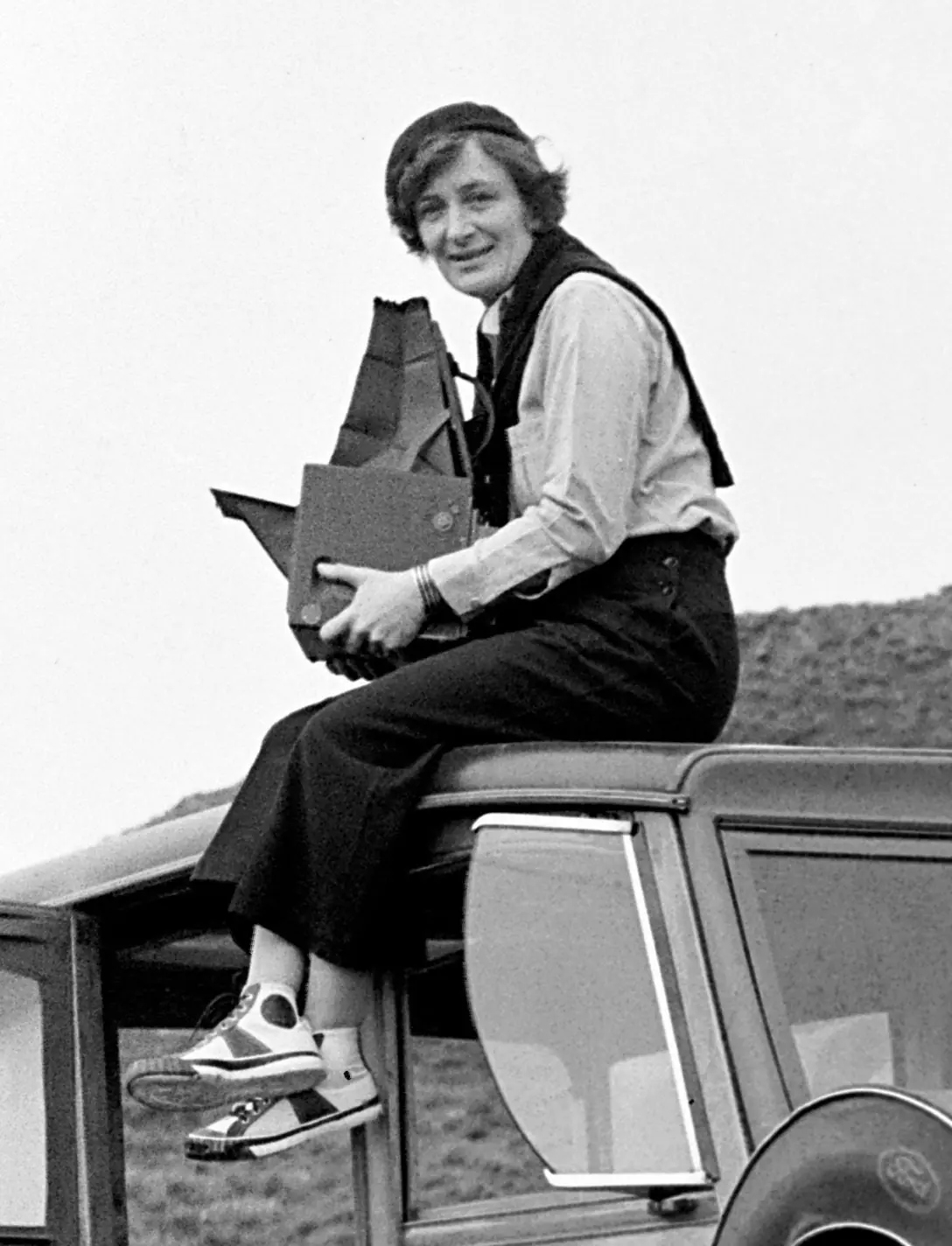
Lange's photographs are remembered for empathy, but their real force is structural precision under ethical pressure. She did not exploit hardship; instead, she built images where dignity, strain, and resilience remain visible at the same time.
From portrait studio to social witness in Depression America
Dorothea Lange did not begin as a federal documentary photographer. In 1920s San Francisco she ran a successful portrait studio and knew how to make clients look composed, credible, and socially legible. The break came when the Great Depression made street reality impossible to ignore: unemployment lines, seasonal labor camps, and family displacement turned public space into a visual record of economic failure. In that setting, Lange moved from commissioned likeness to civic observation, and photography became, for her, a way to test how evidence could be seen and felt at the same time.
Her collaboration with economist Paul S. Taylor sharpened this shift. Captions, field notes, and image sequencing were treated as part of one documentary method, not as secondary packaging. That is why Lange's major images still read with unusual density: they are built to survive both emotional viewing and policy reading. This also marks a clear difference from photographers who prioritized formal autonomy. In Lange's work, composition is rigorous, but it stays accountable to labor conditions, migration, and state response.
Migrant Mother and the problem of looking at poverty
The best-known case is Migrant Mother, made in 1936 near Nipomo, California, in a pea-pickers' camp during crop collapse. The photograph is often treated as a timeless icon, but its force comes from specific choices made under pressure: tight framing around face and children, shallow environmental clues, and a gesture pattern that conveys worry without theatricality. Lange makes viewers feel proximity, yet she avoids turning hardship into spectacle. That controlled distance is the technical and ethical center of the image.
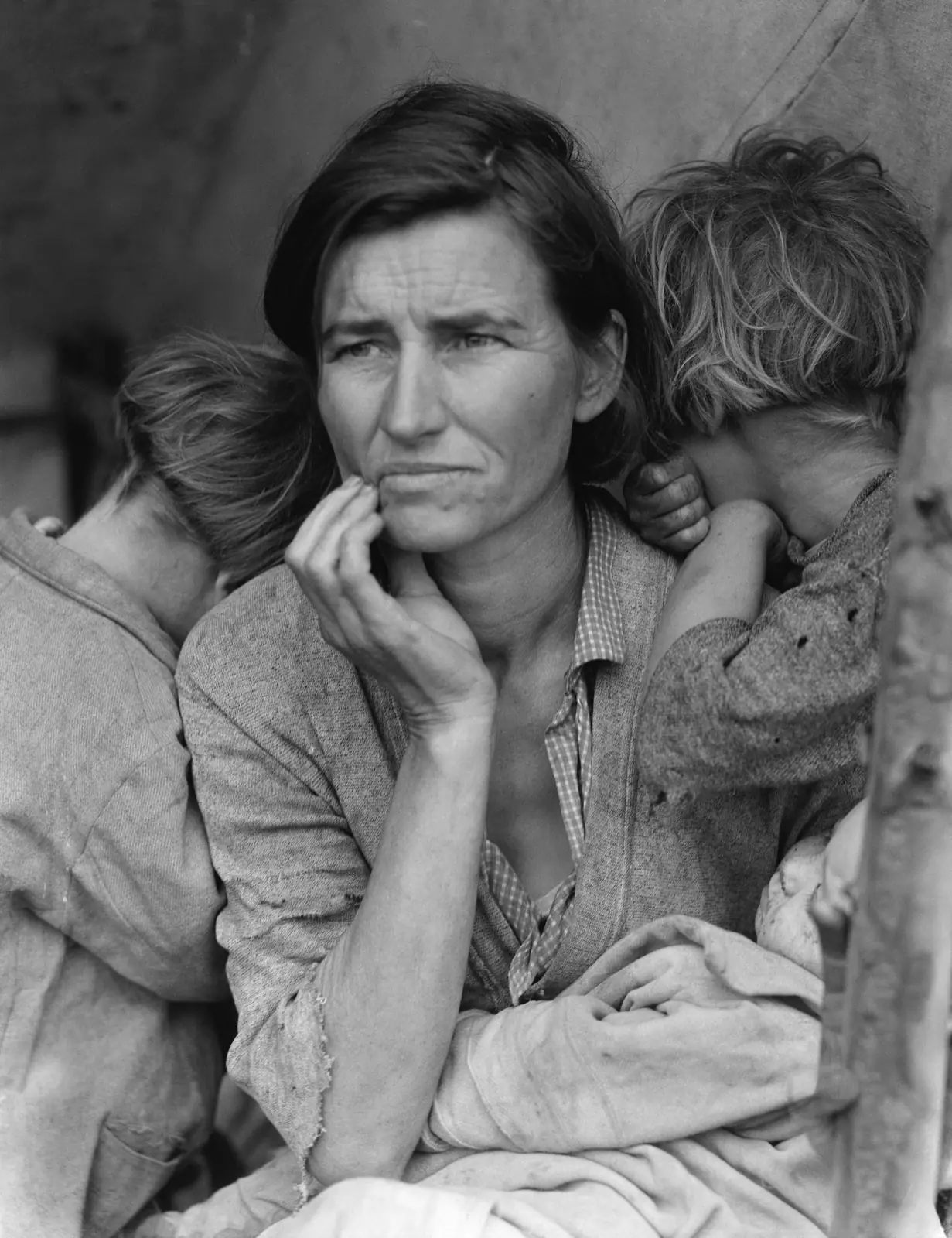
The afterlife of that image is equally important. It helped mobilize relief attention, but later discussions around Florence Owens Thompson's identification exposed documentary tensions around attribution, consent, and narrative control. That complexity does not weaken Lange's achievement; it clarifies it. Her photographs are not neutral windows. They are interventions in public language, where framing decisions and distribution channels shape what a society recognizes as urgent.
Federal assignments, wartime censorship, and documentary limits
Working with New Deal agencies gave Lange extraordinary reach and equally strong constraints. Federal programs wanted legible images that justified intervention, which meant photographers operated inside administrative expectations while trying to preserve subject complexity. Lange's strongest work negotiates that tension directly: she documents suffering and labor without flattening people into abstract symbols of crisis. The image, the caption, and the archive placement all matter.
Her wartime photographs of Japanese American incarceration make this point even sharper. Commissioned to record relocation policy, she produced images that reveal surveillance, loss, and civic contradiction more clearly than official narratives preferred. Many of those photographs were suppressed from circulation for years. That episode is a concrete historical anecdote and a methodological lesson: documentary photography can serve institutions and challenge them at the same time.
Why Lange still matters for visual ethics
Lange's legacy is not a single famous frame but a disciplined practice that links encounter, form, text, and circulation. Compare her with Alfred Stieglitz and The Steerage: both are modern and formally precise, but Lange is more explicitly oriented toward social evidence and public consequence. That distinction still structures contemporary debates in journalism, museum curation, and NGO image strategy.
Seen from 2026, her work remains a demanding benchmark. She shows that responsible documentary form is neither sentimental empathy nor detached formalism. It is a precise balance: respect for subjects, readability for publics, and enough structural clarity to survive political reuse. That is why Lange belongs not only to photography history, but to broader histories of how democracies learn to look at crisis.
Key works in Explainary
Associated movements
Continue with the art quiz to validate recognition, context, and comparison.