
Movement Guide
De Stijl
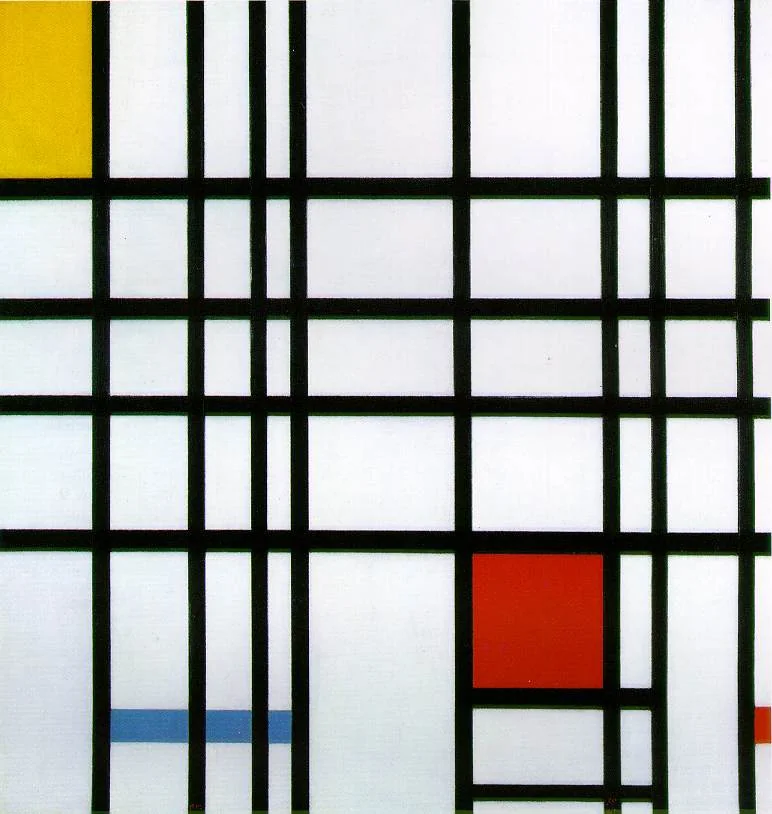
De Stijl is often reduced to a visual stereotype: clean grids and primary colors. That misses the movement's real ambition - to rebuild visual order after war through a disciplined language of relations.
What De Stijl was trying to solve
When the journal De Stijl launched in 1917, the core question was not stylistic novelty. It was social and philosophical: how can art articulate a common structure in a fragmented modern world? Painters, architects, and designers in the group argued that clarity, proportion, and controlled asymmetry could produce a universal visual grammar.
In Mondrian's neoplasticism, the grammar is strict: vertical/horizontal lines, right angles, selective use of primary color, and white as active space rather than empty background. The aim is dynamic equilibrium - not decorative neatness.
Historical context and live disagreements
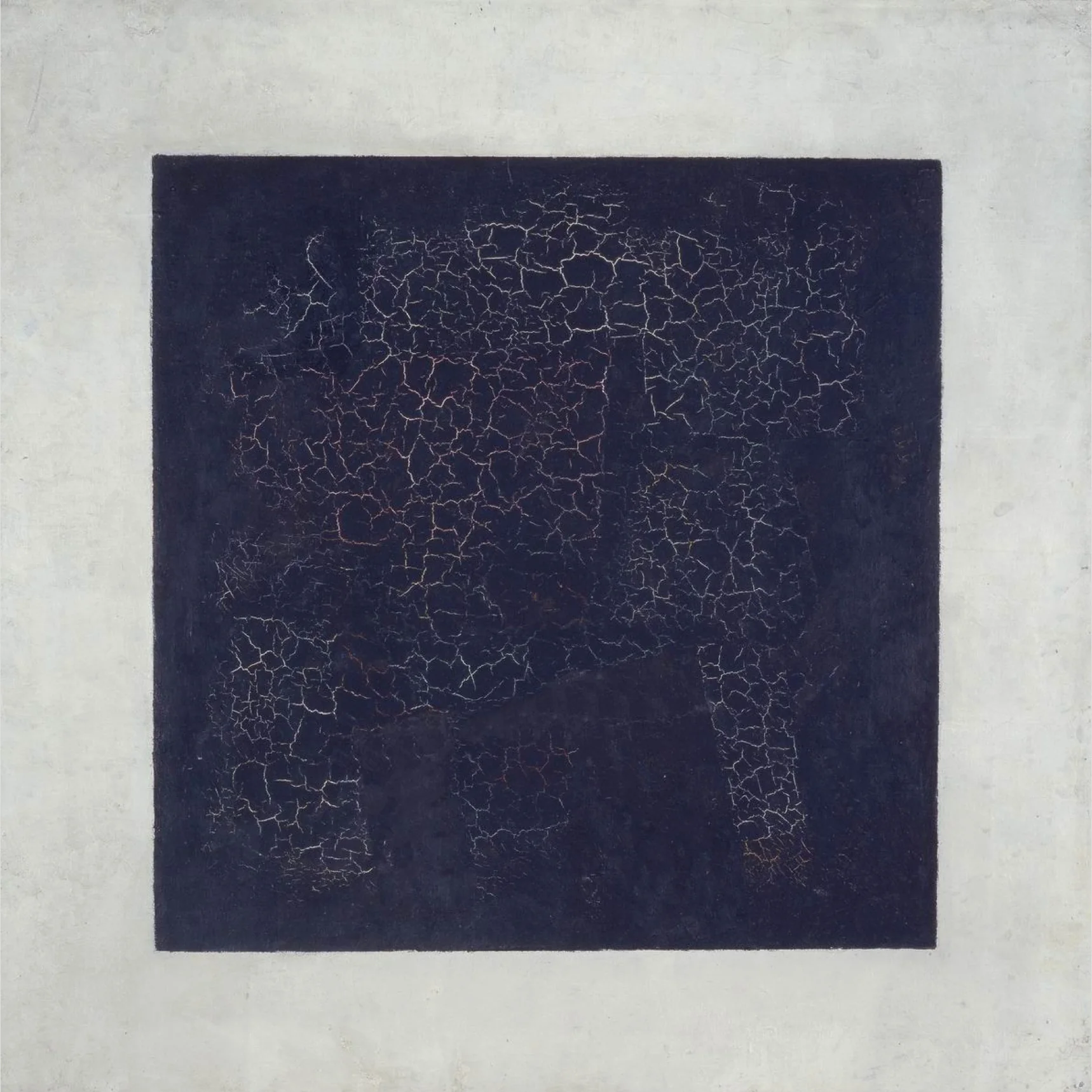
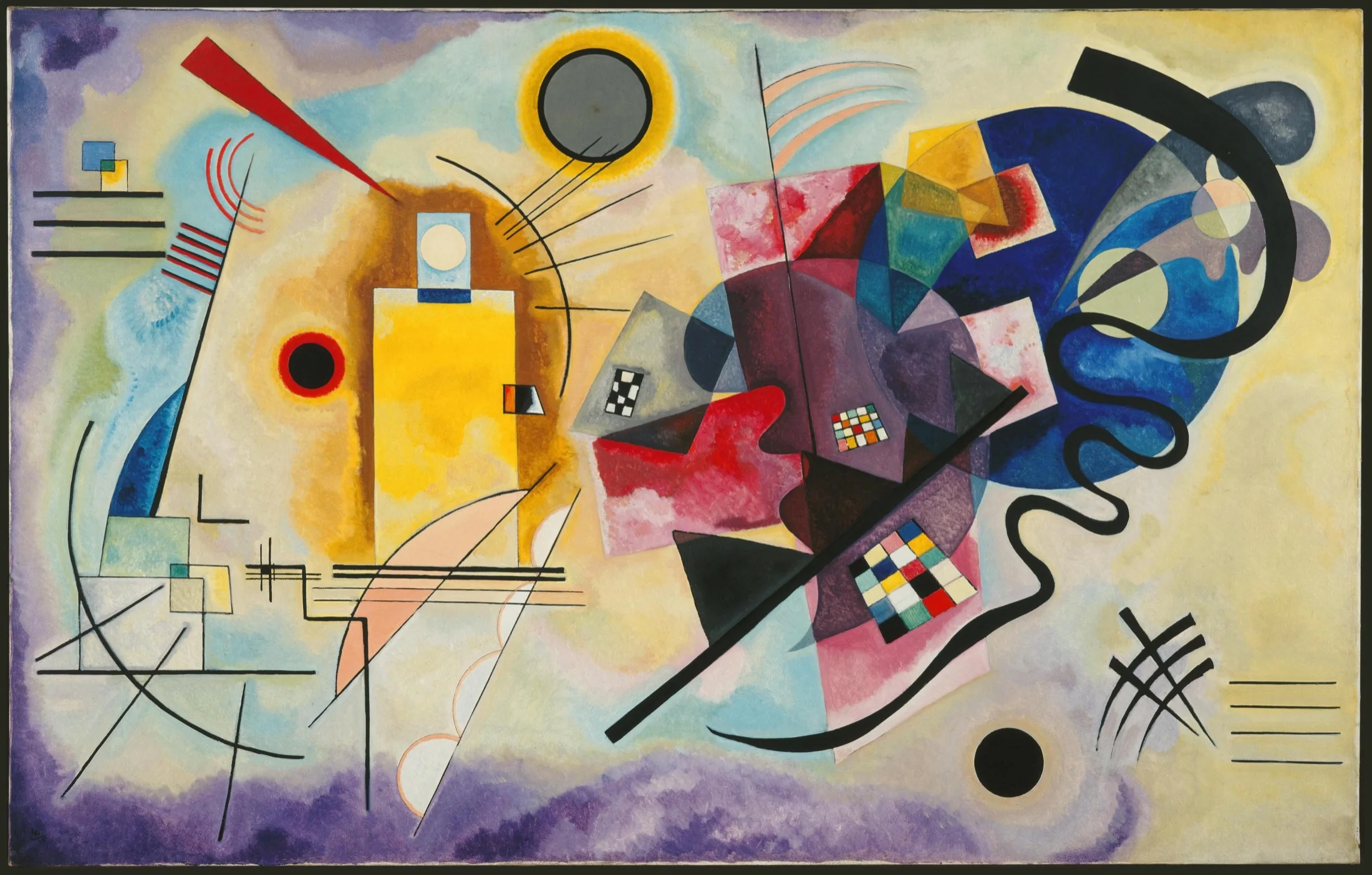
De Stijl developed in the Netherlands during a period of reconstruction and ideological realignment. Across Europe, abstraction was rising, but with different premises. Compare De Stijl with Orphism or Suprematism and you immediately see its specificity: disciplined orthogonal order instead of chromatic whirl or radical void.
The movement was internally contested. Mondrian defended orthogonality as essential; Theo van Doesburg later introduced diagonal tension through Elementarism. This conflict matters because it proves De Stijl was not a static formula. It was an active debate about whether harmony requires strict limits or controlled deviation.
From paintings to lived environments
De Stijl's largest ambition was environmental, not purely pictorial. In architecture and furniture, the same logic became spatial: open corners, floating planes, modular articulation, and color as structural signal. Gerrit Rietveld's Schröder House shows this translation clearly: the house behaves like a De Stijl painting unfolded into inhabitable form.
In graphic design, De Stijl's legacy is equally concrete. Grid systems, proportional modules, and clear typographic hierarchy underpin modern editorial and interface practice. In 2026, many digital products still rely on problems De Stijl formalized: interval control, rhythmic alignment, and contrast without clutter.
Utopia, politics, and the limits of universality
De Stijl often presents itself as neutral and universal, yet that universality was historically situated. It reflected specific European modernist beliefs about progress, rationality, and purification of form. The movement's rigor gave it power, but also generated exclusions: lived complexity, local ornament traditions, and emotional irregularity were often treated as noise.
This tension is useful for contemporary readers. De Stijl teaches powerful design discipline, while also reminding us that every claim of neutrality carries a cultural position.
Networks, diffusion, and afterlives
De Stijl did not remain confined to Dutch studios. Through journals, exhibitions, translated essays, and design schools, its logic circulated into broader modernist infrastructure. Even where artists rejected strict neoplastic rules, they absorbed the movement's insistence on constructive order and proportion-driven composition.
Its afterlife is therefore uneven but deep. Bauhaus pedagogy, postwar corporate identity systems, Swiss-influenced editorial grids, and many digital layout conventions all inherit parts of the De Stijl problem set. The exact palette may disappear, yet the core question survives: how can visual elements remain independent while producing a coherent whole?
How to read De Stijl works closely
Start with structure before meaning claims. Trace where lines terminate, where color blocks concentrate weight, and how white intervals regulate breathing room. Then step back and track tempo: where the eye accelerates, pauses, and loops back. This two-scale reading makes works like Composition with Red, Blue and Yellow feel precise rather than simplistic.
For contrast, compare with Yellow-Red-Blue by Kandinsky and Black Square by Malevich. Those comparisons clarify De Stijl's distinct claim: order can remain dynamic without surrendering to chaos or total reduction.
Related artists in Explainary
Key works in Explainary
Use the art quiz as a quick check: can you recognize the visual language of De Stijl across mixed artists and artworks?