
Victorian Movement
Pre-Raphaelite Brotherhood
The Pre-Raphaelite Brotherhood lasted only a few years as a formal group, but its visual logic lasted much longer. That is the key to reading it well. The Brotherhood begins in London in 1848 as a small revolt against academic routine, then expands into a broader pre-Raphaelite culture of painting, poetry, design, and craft.
The name is often used too loosely. The original Brotherhood is one thing: Millais, Holman Hunt, Rossetti, and a tight founding circle. Pre-Raphaelitism is larger: a Victorian world of hard detail, bright color, literary pressure, medieval reference, and moral seriousness that reaches well beyond the first seven members.
1848: a short-lived brotherhood with a long afterlife
The group formed in 1848 among young artists around the Royal Academy. The central painters were John Everett Millais, William Holman Hunt, and Dante Gabriel Rossetti; the founding circle also included James Collinson, Frederic George Stephens, Thomas Woolner, and William Michael Rossetti. They signed early works with the initials P.R.B., half manifesto and half provocation.
The formal Brotherhood did not last long. That brevity is not a problem to explain away. It is part of the story. The important thing is that the experiment worked: it created a visual language strong enough to survive the group itself and to shape later Victorian art far beyond its first moment.
Why call themselves “Pre-Raphaelite”?
The name can mislead modern readers. It does not mean a simple wish to go back before Raphael as if art had gone wrong in 1500. It means a rejection of what the brothers saw as dead formula in the Royal Academy tradition, especially the broad, generalized manner associated with Reynolds and academic finish.
What they wanted instead was clarity, sincerity, and disciplined observation. Earlier Italian painting, as they imagined it, offered a model of sharper contour, brighter color, and more direct seriousness. The point was not archaeology. The point was to make Victorian painting feel truthful again.
How Pre-Raphaelite pictures are built
Pre-Raphaelite painting is bright because it often uses strong color on a light ground. It is sharp because edges are kept clear. It is intense because natural detail is never just descriptive. Flowers, hair, textiles, water, and gesture all help carry the picture's emotional and symbolic load.
That combination gives the movement its peculiar force. These pictures can look dreamlike, but they are built through hard looking. They ask for close reading, not distant admiration. Every visible choice tries to prove that beauty and seriousness can belong to the same surface.
Ophelia turns detail into tragic pressure
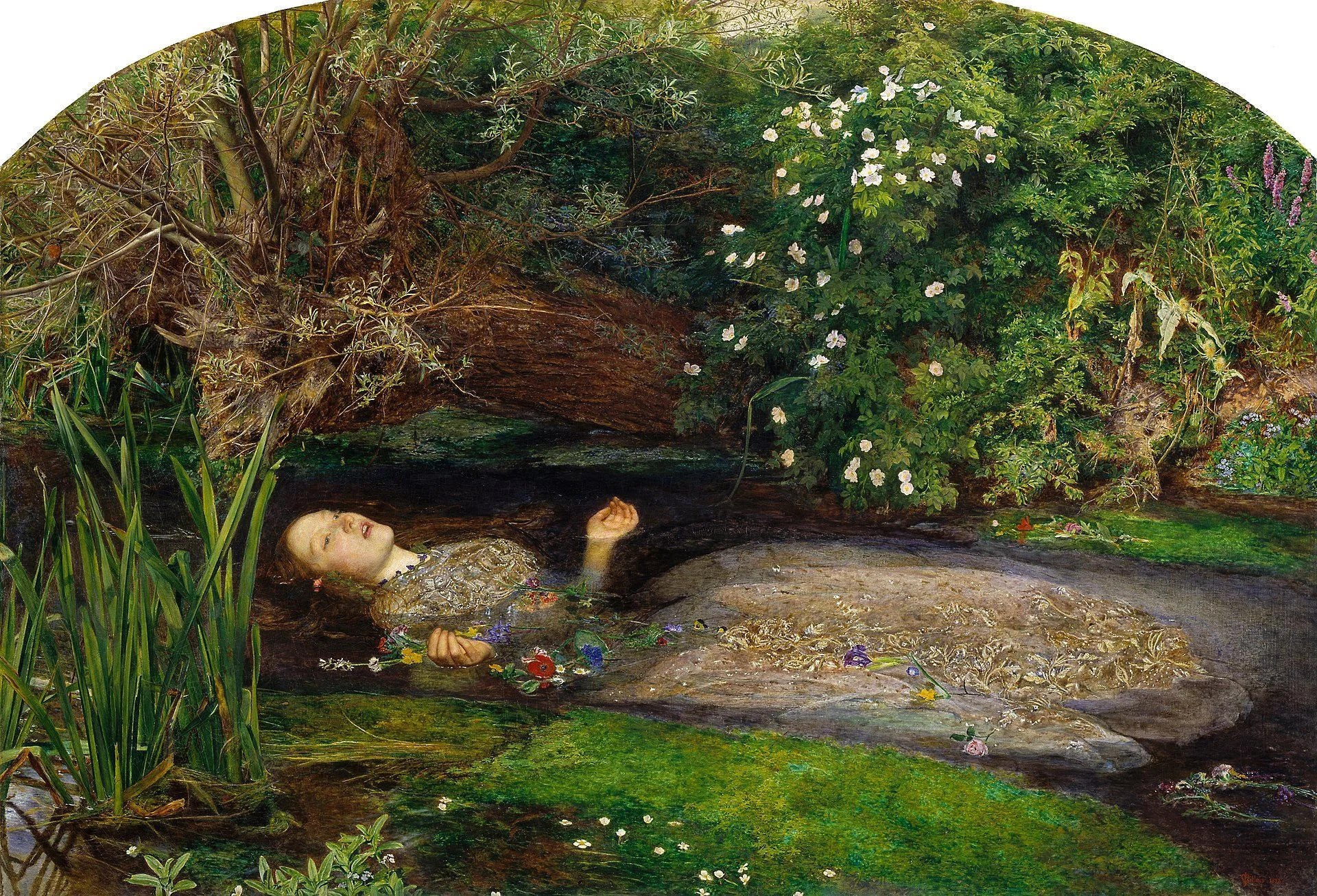
Ophelia is not the whole movement, but it is one of its clearest demonstrations. Millais takes a literary subject from Shakespeare and anchors it in exact natural observation. The riverbank is not vague atmosphere. It is studied, specific, and insistently present.
That is exactly where the movement becomes legible. Detail slows the eye down, but it also tightens the drama. The natural world does not soften the scene. It makes the scene harder to escape. Pre-Raphaelite exactness is therefore not a matter of prettiness. It is a way of intensifying narrative.
Waterhouse gives the afterlife a river image
John William Waterhouse belongs to the later pre-Raphaelite afterlife rather than the original Brotherhood. In The Lady of Shalott, he keeps the movement's literary pressure and medieval atmosphere, but he gives them a softer, more theatrical late Victorian form. Tennyson's heroine is not shown dead. She is upright in the boat, just after leaving the tower, with tapestry, candles, river, and fate gathered around her.
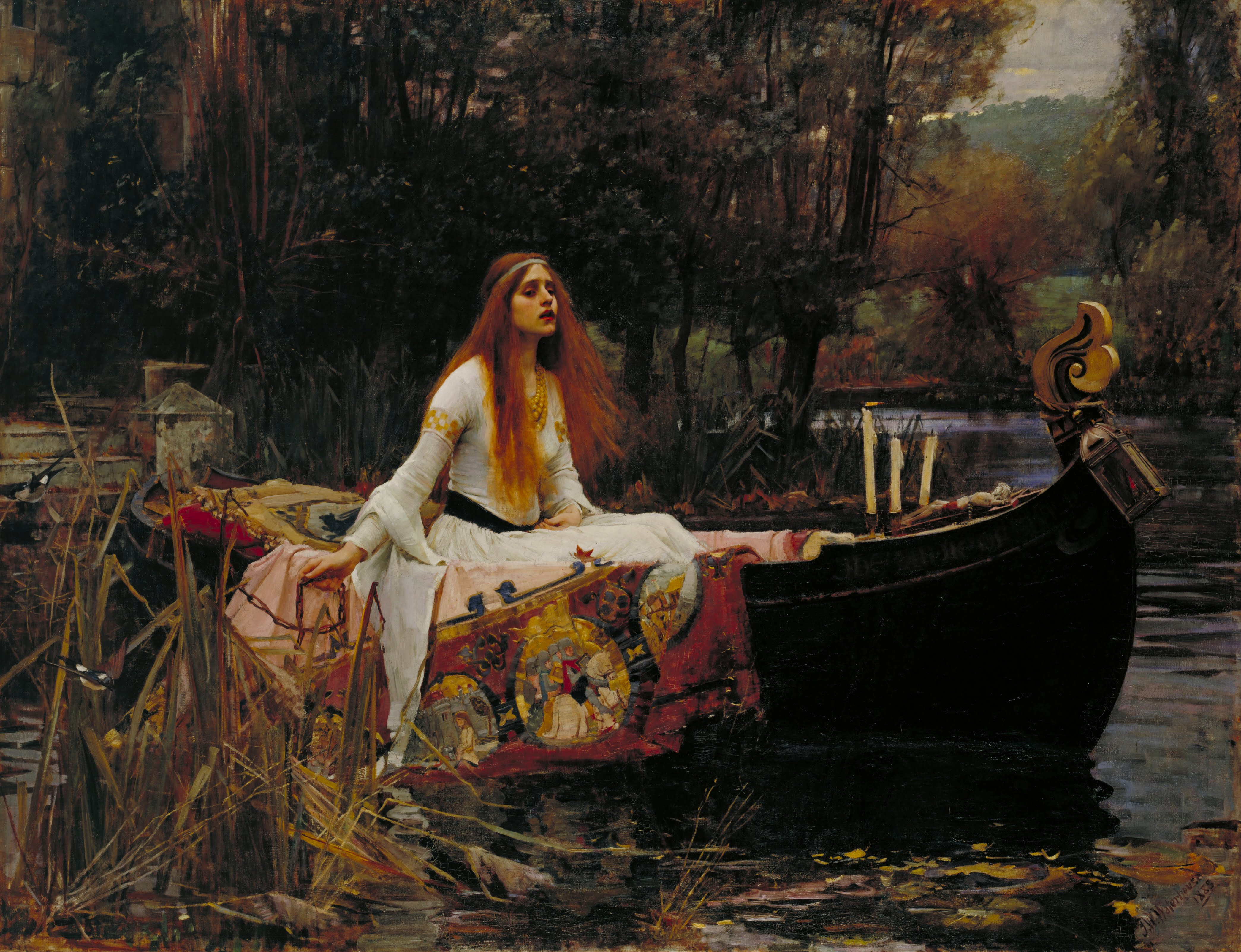
The two rivers do different work. Ophelia suspends tragedy after the fall; The Lady of Shalott stages the moment before the fatal drift has fully begun. One image makes detail feel forensic, the other makes atmosphere feel prophetic.
From the Brotherhood to broader pre-Raphaelitism
Once the original Brotherhood loosened, the style did not disappear. It broadened. Rossetti pushed it toward a more dreamlike and symbolic register. Edward Burne-Jones and, in another medium, William Morris carried parts of the same inheritance into decoration, poetry, print, and design.
Separating the Brotherhood from the movement's afterlife keeps the history precise. Morris was not one of the original brothers, but his work shows what pre-Raphaelite values became once they entered objects, interiors, and workshop culture. The movement stops being only about painting and becomes a larger Victorian visual system.
Why critics fought over it
The Brotherhood was controversial from the start. Some viewers saw sincerity and discipline. Others saw harshness, archaism, and excessive detail. John Ruskin became the most important early defender because he recognized how much the movement shared his own commitment to truth to nature and moral seriousness.
The early conflict reveals what was genuinely new. The pictures refused easy academic polish, but they were anything but loose. They replaced one form of finish with another, more exacting one. The shock came from a new standard of conviction.
What the movement changed
The Pre-Raphaelite Brotherhood changed Victorian art by proving that literary ambition, dense symbolism, and crafted surfaces could belong together. It also helped open paths toward Arts and Crafts and, in another direction, toward Symbolism.
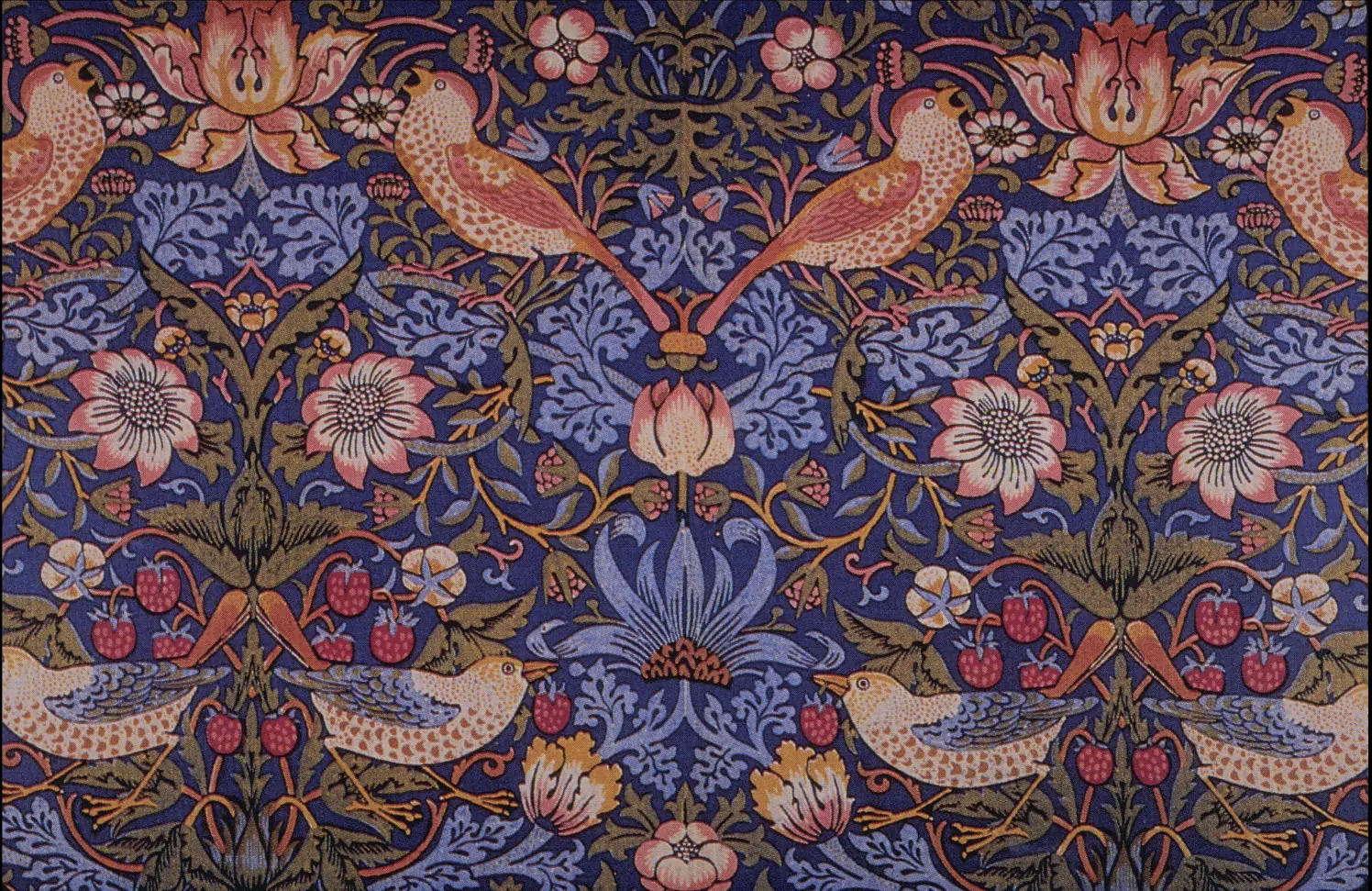
Its longer legacy is easy to feel even now. Whenever a visual culture combines medieval reference, heightened beauty, emotional intensity, and obsessive detail, some pre-Raphaelite inheritance is usually nearby. The movement still helps explain why ornament can carry ideas instead of merely decorating them.
Reading paths from the Pre-Raphaelites
Move from Ophelia to Millais for the original Brotherhood, then compare that harder edge with Waterhouse's The Lady of Shalott for the later Victorian afterlife. From there, William Morris and Arts and Crafts show the movement entering objects and interiors, while Symbolism carries nineteenth-century intensity toward dream and suggestion. After that, try the art quiz.
Primary sources
Frequently asked questions
The Brotherhood was founded in London in 1848 by John Everett Millais, William Holman Hunt, and Dante Gabriel Rossetti, with a wider founding circle that also included James Collinson, Frederic George Stephens, Thomas Woolner, and William Michael Rossetti.
They used the name to signal a rejection of what they saw as stale academic formula after Raphael, especially as filtered through the Royal Academy tradition. The point was not simple hatred of Raphael, but a return to clarity, sincerity, and close observation.
No. William Morris was not one of the original brothers. He belongs to the broader pre-Raphaelite afterlife, where the movement's interest in medievalism, craft, and dense design fed directly into Arts and Crafts.
Ophelia brings together several Pre-Raphaelite priorities at once: exact natural study, literary source, bright color, and symbolic detail that is never just decorative.