
Movement Guide
High Renaissance
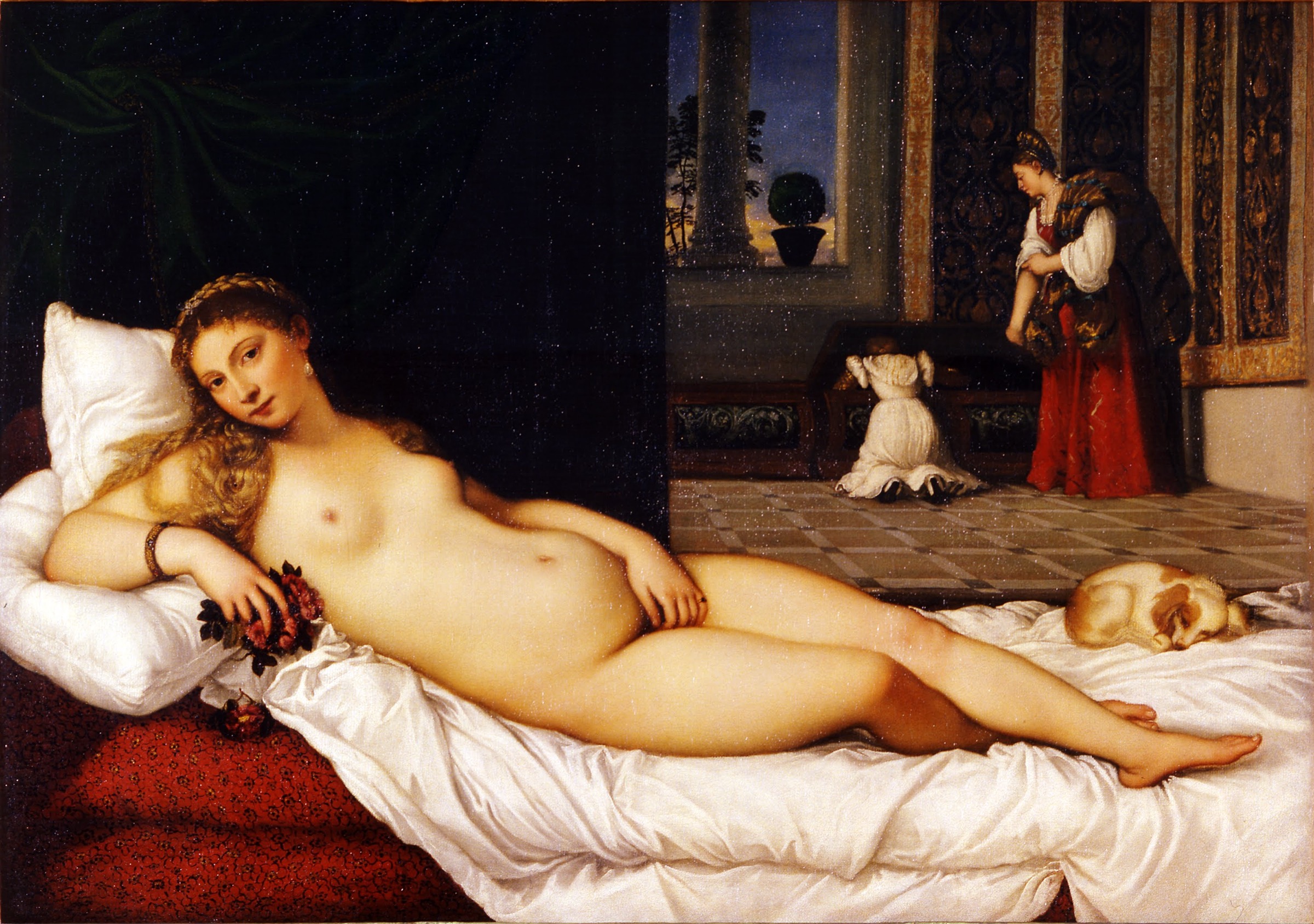
High Renaissance art makes authority look effortless. Yet it does not do so in one accent. In Rome, painters such as Leonardo da Vinci, Raphael, and Michelangelo turn perspective, anatomy, and theology into monumental systems. In Venice, Titian and Paolo Veronese prove that the same authority can also be built through color, oil paint, architecture, and the public intelligence of spectacle.
The High Renaissance is not one serene formula repeated by different names. It is a shared ambition: to make complicated images look clear, inevitable, and publicly convincing. The means change from artist to artist, but the level of control does not.
One ambition, several accents
- Compositions are built to feel stable even when they carry many figures, ideas, or symbolic layers.
- Human bodies look idealized, but they also carry argument, hierarchy, and emotional force.
- Painting is expected to synthesize intellectual ambition and visual immediacy.
- Works can serve church, court, or private elite settings without losing formal authority.
Rome is not the whole story
Papal commissions in Rome demanded large visual systems capable of organizing theology, philosophy, and political authority at monumental scale. That pressure pushed the period toward fresco cycles, Vatican rooms, and major religious programs, and it helps account for the textbook dominance of Leonardo, Raphael, and Michelangelo.
But that map is incomplete. Venice develops another answer to the same problem. There, oil paint, light on fabric, and color as structure become central. Titian shows that High Renaissance confidence can live not only in grand public architecture, but also in the slower force of a painted surface. Once Venice is restored to the story, the movement looks less like a single Roman summit and more like a network of solutions.
Five paintings that map the movement
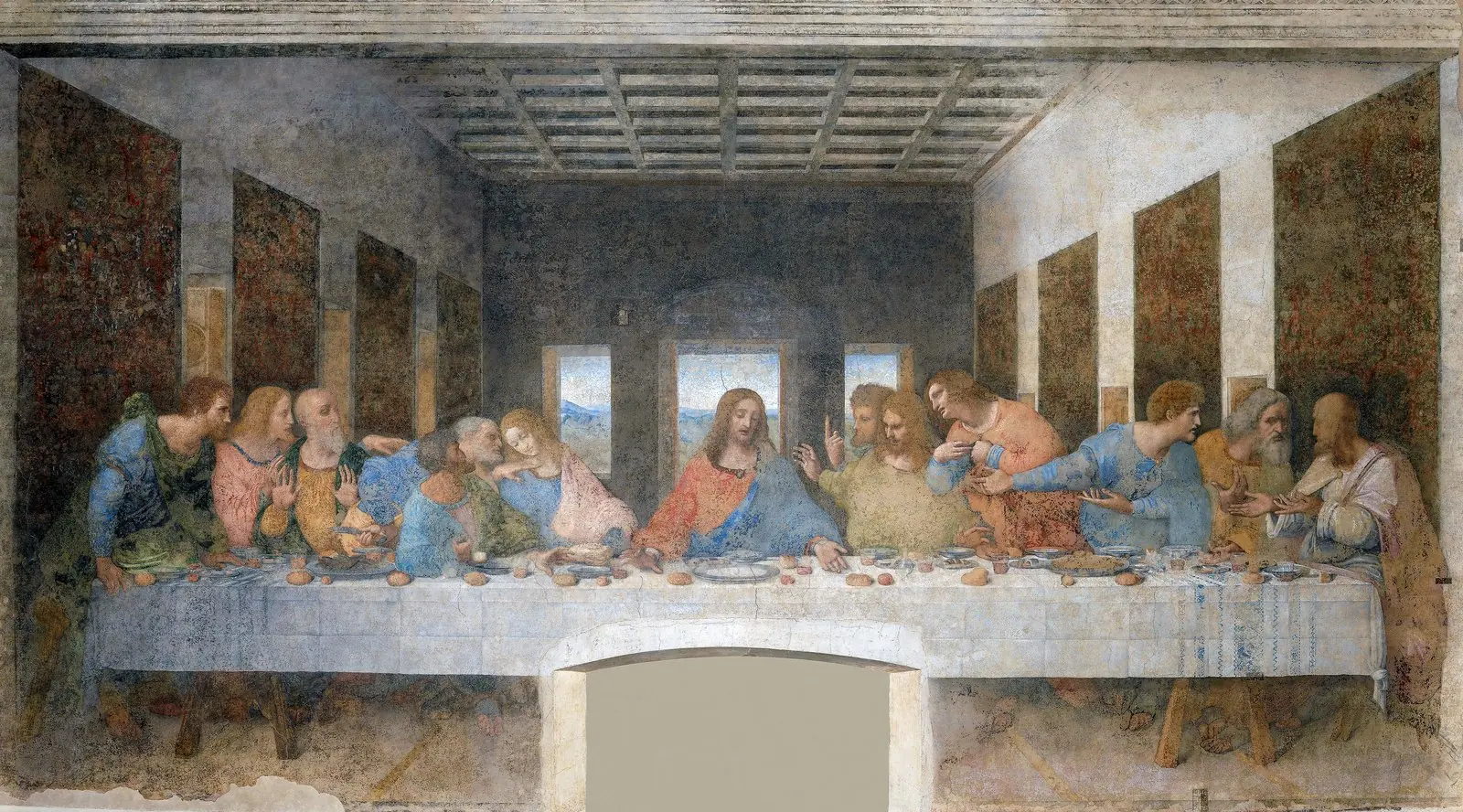
The Last Supper shows Leonardo turning one biblical instant into a tightly ordered field of reaction. Perspective stabilizes the room, but the painting does more than demonstrate technical mastery. It makes theology readable through measured human response.
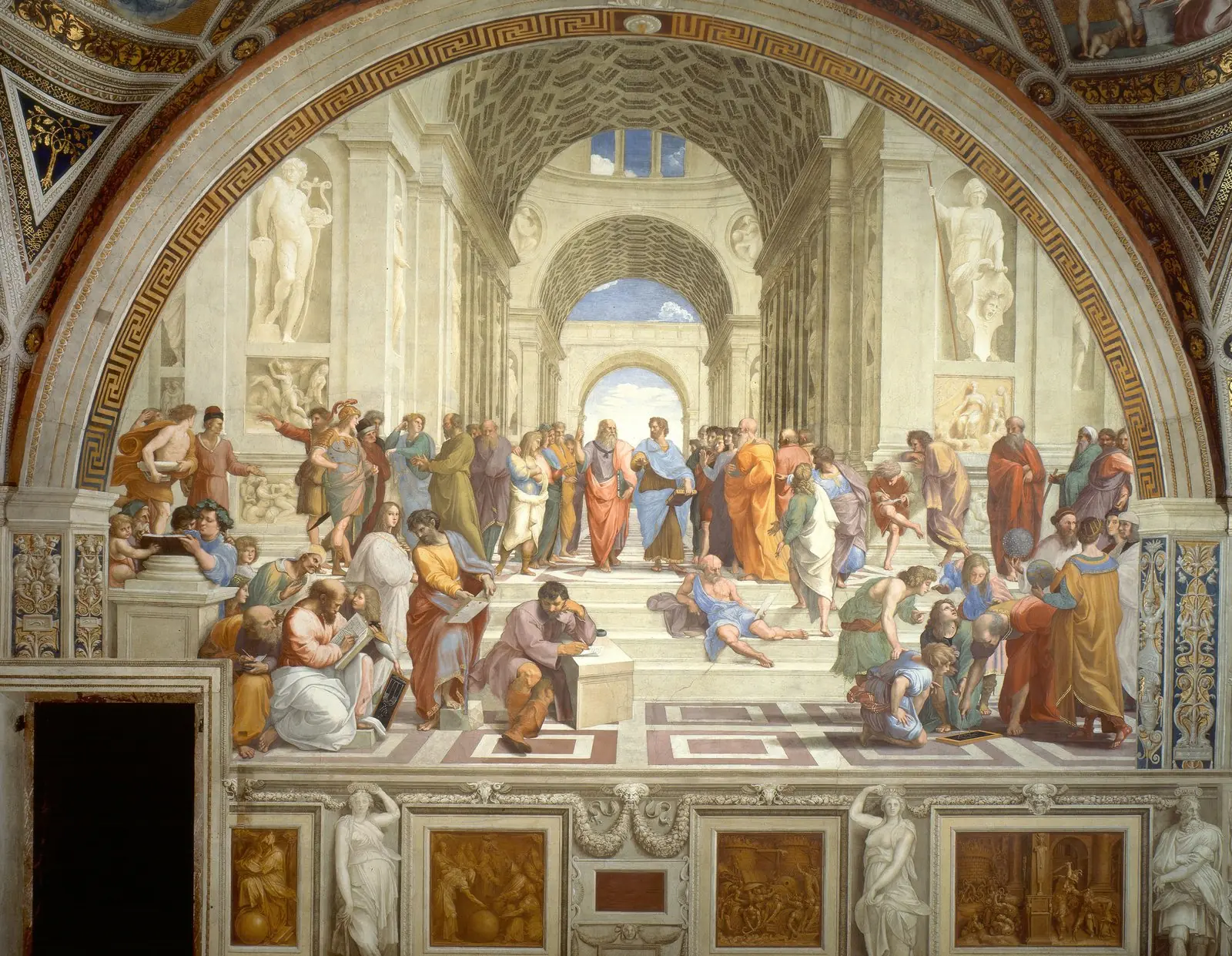
The School of Athens gives Raphael's version. Architecture, gesture, and philosophy all align in one lucid spatial order. The result is not only harmonious. It is rhetorically confident: ideas are staged as if they naturally belong together inside an ideal civic-intellectual space.
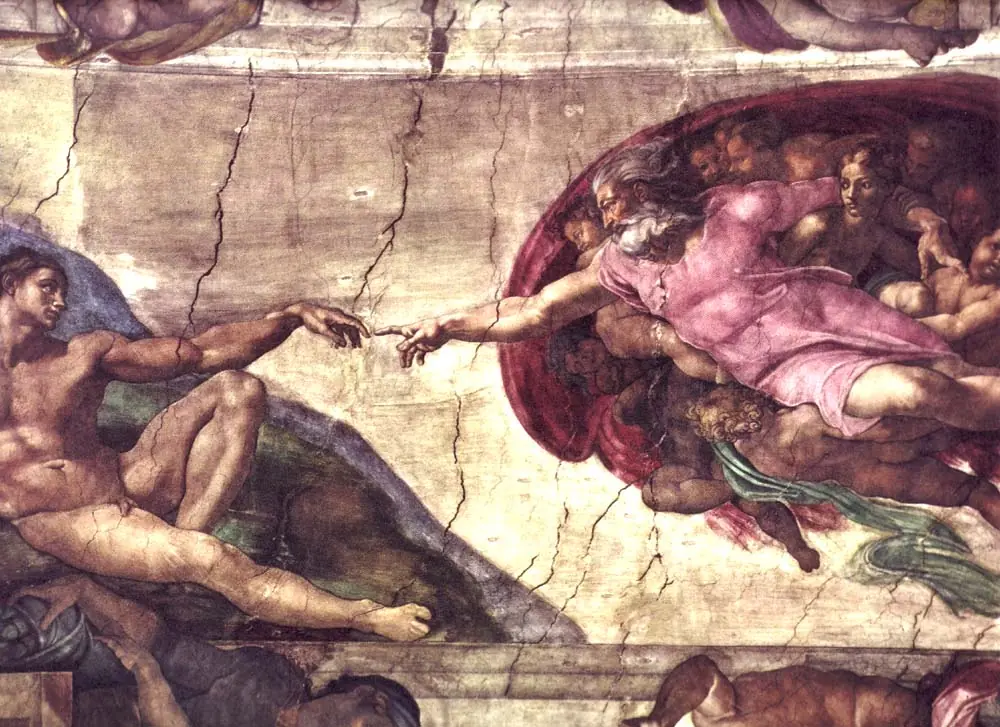
The Creation of Adam pushes the body to the center. Michelangelo compresses theology into charged anatomy and a nearly touching gap between two hands. This is High Renaissance monumentality at maximum pressure: stable, clear, and electrically tense at once.
Venus of Urbino changes the scale without lowering the ambition. Titian brings the same level of control into a bedroom interior. The nude, the dog, the servants, the cassone, the sheets, and the reds and greens of the room all belong to one painted system. Here the High Renaissance is not only monumental. It is intimate, worldly, and Venetian.
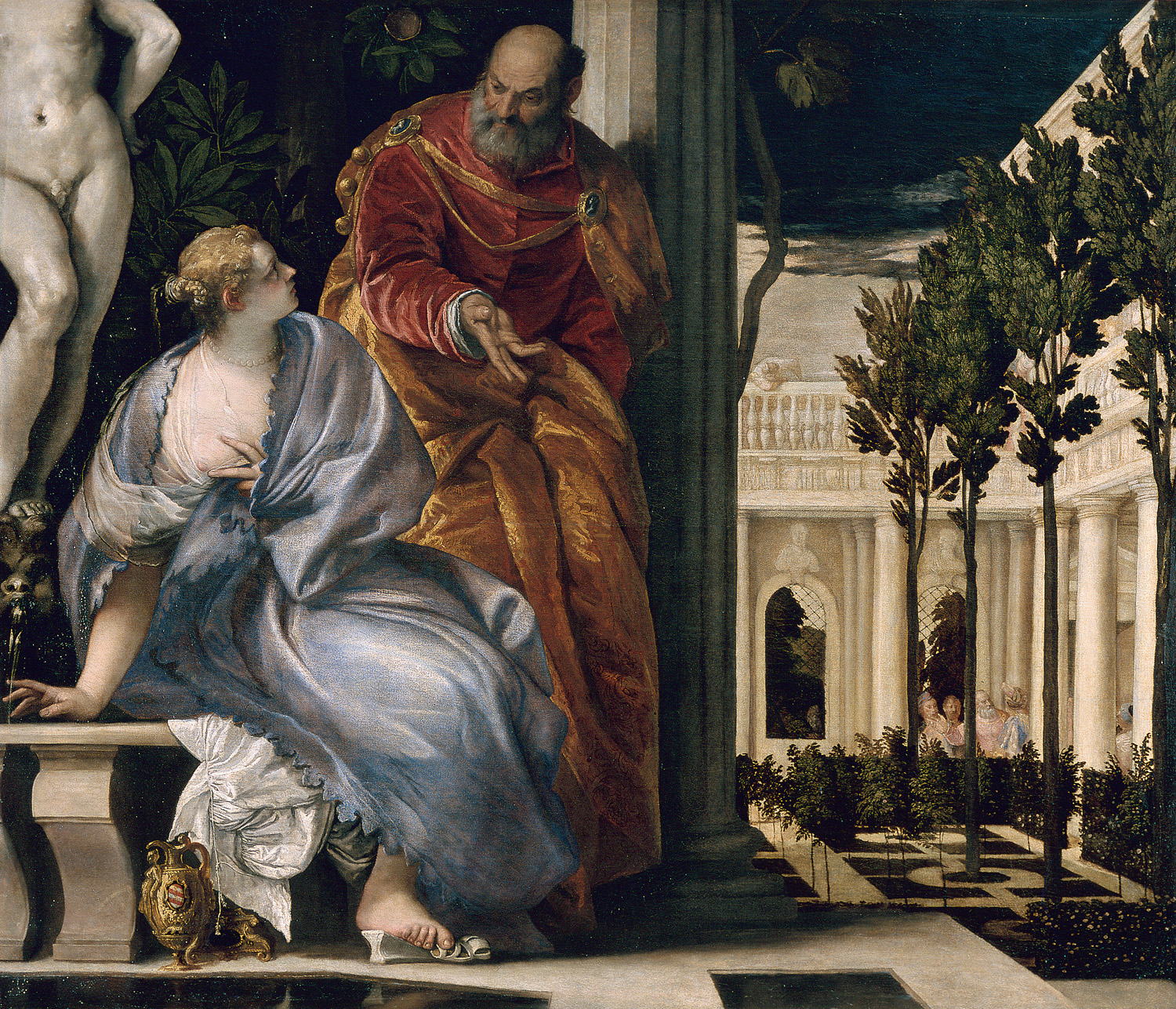
Bathsheba Bathing extends the Venetian branch toward theatrical ambiguity. Veronese keeps the trust in color, flesh, and surface, but gives it a social stage: a woman near water, a richly dressed older man, a garden, and a biblical story that refuses a single simple reading.
From altar wall to bedchamber
Seen together, these works broaden the movement immediately. High Renaissance painting can occupy a refectory wall, a Vatican room, a chapel ceiling, or a private chamber. What unites those settings is not subject matter alone. It is the conviction that painting can organize attention so completely that complexity becomes readable at first glance.
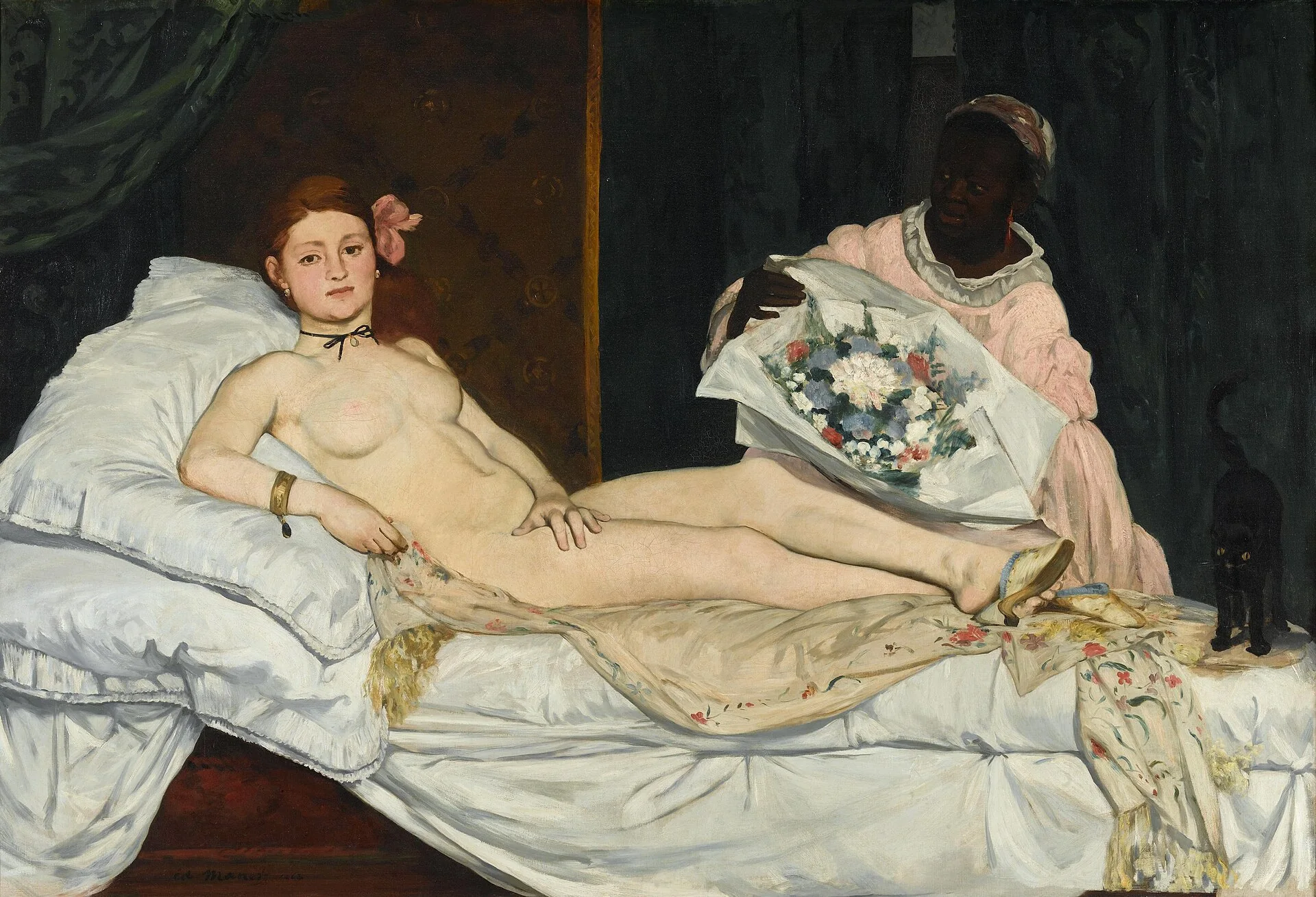
Olympia brings that range into the modern world. Manet borrows Titian's reclining arrangement, the direct gaze, and the servant in the background, then drains away the warm Venetian mediation. The result turns a High Renaissance structure into a modern shock.
The next question is what happens when that confidence starts to strain from within. Mannerism answers by keeping the mastery but bending it toward elegance, distortion, and visible tension rather than stable resolution.
If you want the later contrast in one frame, read Renaissance vs Baroque: What's the Difference in Art?. It shows what changes when High Renaissance order gives way to Baroque event, light, and bodily pressure.
How to read it quickly in a museum
Start by asking what carries authority in the picture. Sometimes it is geometry, sometimes anatomy, sometimes color. Then ask how the painting keeps many ideas readable at once. High Renaissance works are not merely "balanced." They are designed so that clarity itself becomes persuasive.
- Identify the main armature before chasing detail.
- Ask whether drawing or color leads the image.
- Notice whether the work addresses a public, courtly, or private setting.
- Compare with Early Renaissance to see what has been consolidated, then with Mannerism to see what begins to strain.
Key artists
Key works in Explainary
Then try the art quiz.
Primary sources
Frequently asked questions
The High Renaissance is defined by confident compositional order, convincing anatomy, and the sense that complex ideas can be made immediately legible through painting.
No. Rome is central for monumental commissions, but Venice matters just as much. Titian shows that High Renaissance authority can be built through oil paint, color, and surface, not only through design and monumentality.
A strong set is The Last Supper, The School of Athens, The Creation of Adam, Venus of Urbino, and Bathsheba Bathing.