
Museum guide
10 Must-See Artworks at The Met
If you enter the museum and do not know where to begin, use this route as a clear first visit: ten works that create a coherent path without trying to see everything.
Each artwork links to a full Explainary analysis so the visit can continue through artist, movement, details, comparisons, and ways of looking.
How to use this route at The Met
Count about 90 minutes to two hours if you read the short entries and keep moving; allow more time if you open the full analyses as you go. The sequence is not a map of every department. It gives a first thread through the museum: landscape, thought, national image, portrait, dance, printmaking, photography, American scenery, and modern structure.
The 10 artworks to see first
1. Bruegel, The Harvesters
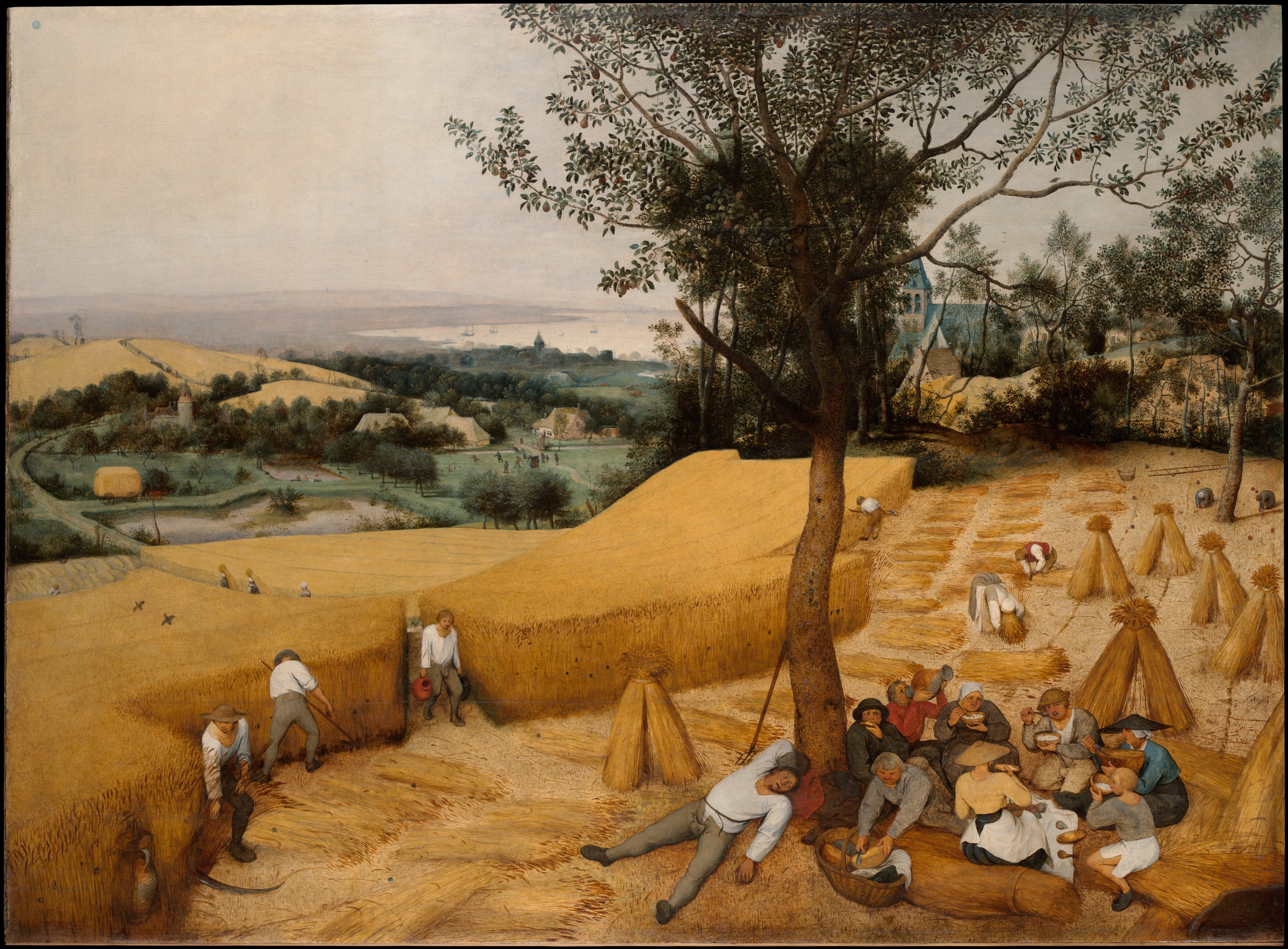
Pieter Bruegel the Elder spreads the harvest across a vast field, then lets the smallest human actions carry the season: cutting wheat, eating bread, gathering apples, sleeping under a tree. The painting is a key Northern Renaissance stop because landscape is not a backdrop. It is the structure that holds labor, abundance, distance, and patronage together.
2. Rembrandt, Aristotle with a Bust of Homer
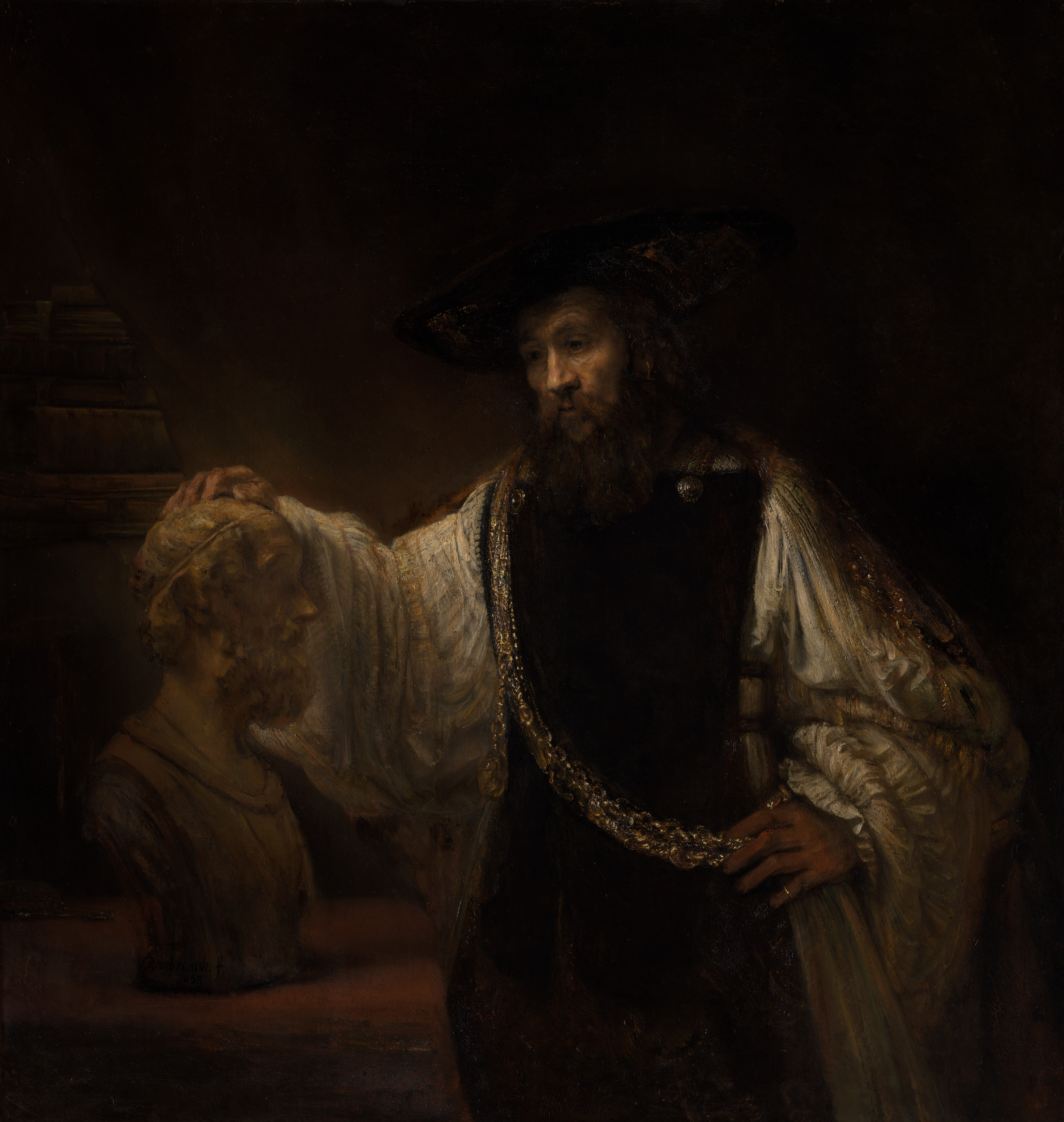
Rembrandt paints almost no action. Aristotle touches Homer and wears Alexander, so the eye moves between poetic memory, political conquest, and philosophical hesitation. The work gives the Dutch Golden Age room a darker register: thick paint, shadow, and inward thought rather than social display.
3. Leutze, Washington Crossing the Delaware
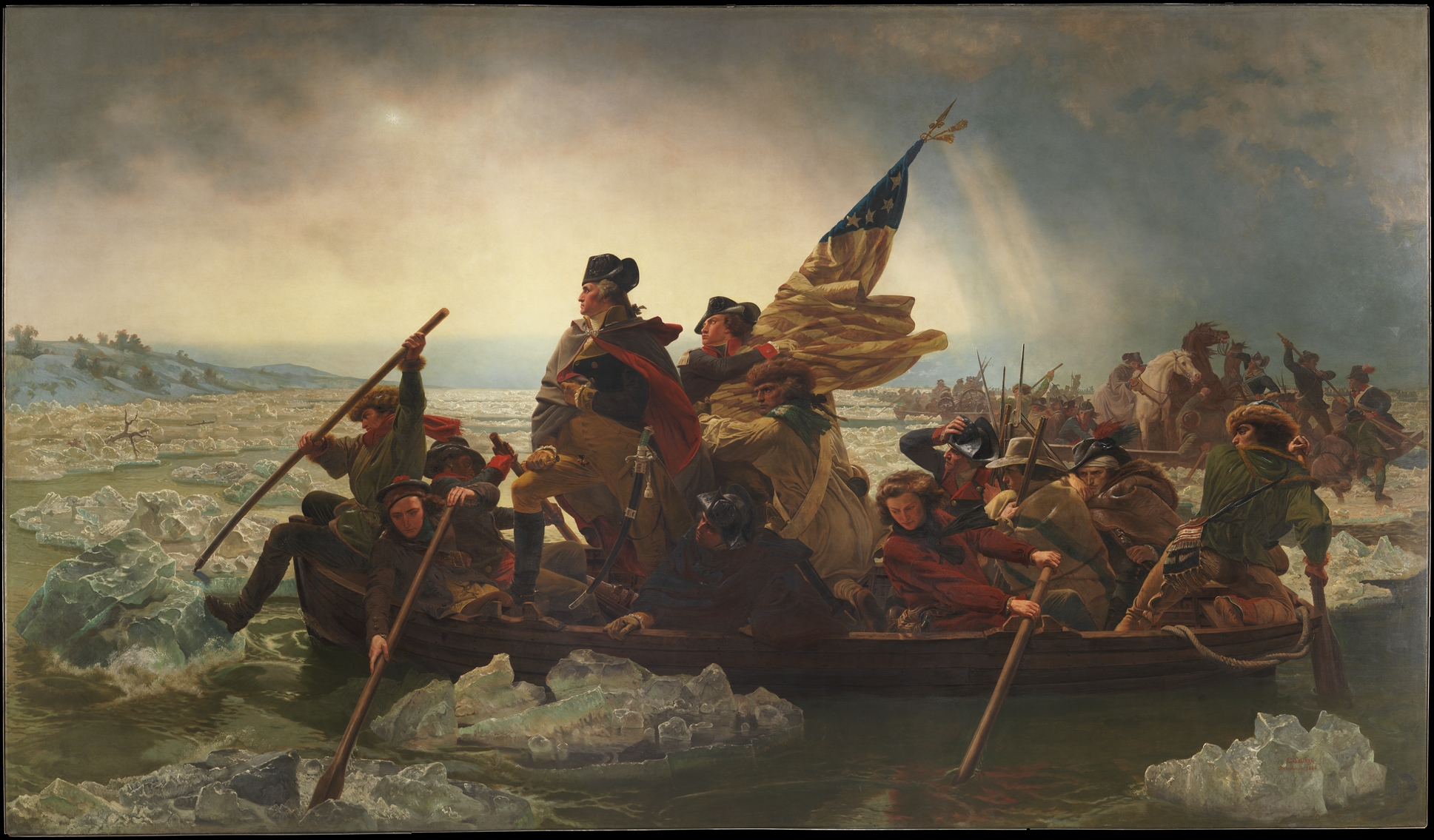
The painting is physically theatrical: a boat packed with figures, ice pressing in, a flag rising, and Washington standing where no practical commander would stand. That staging is the point. Emanuel Leutze turns Revolutionary history into a public image of courage, risk, and collective identity, painted decades after the event for viewers who already knew the legend.
4. David, The Death of Socrates
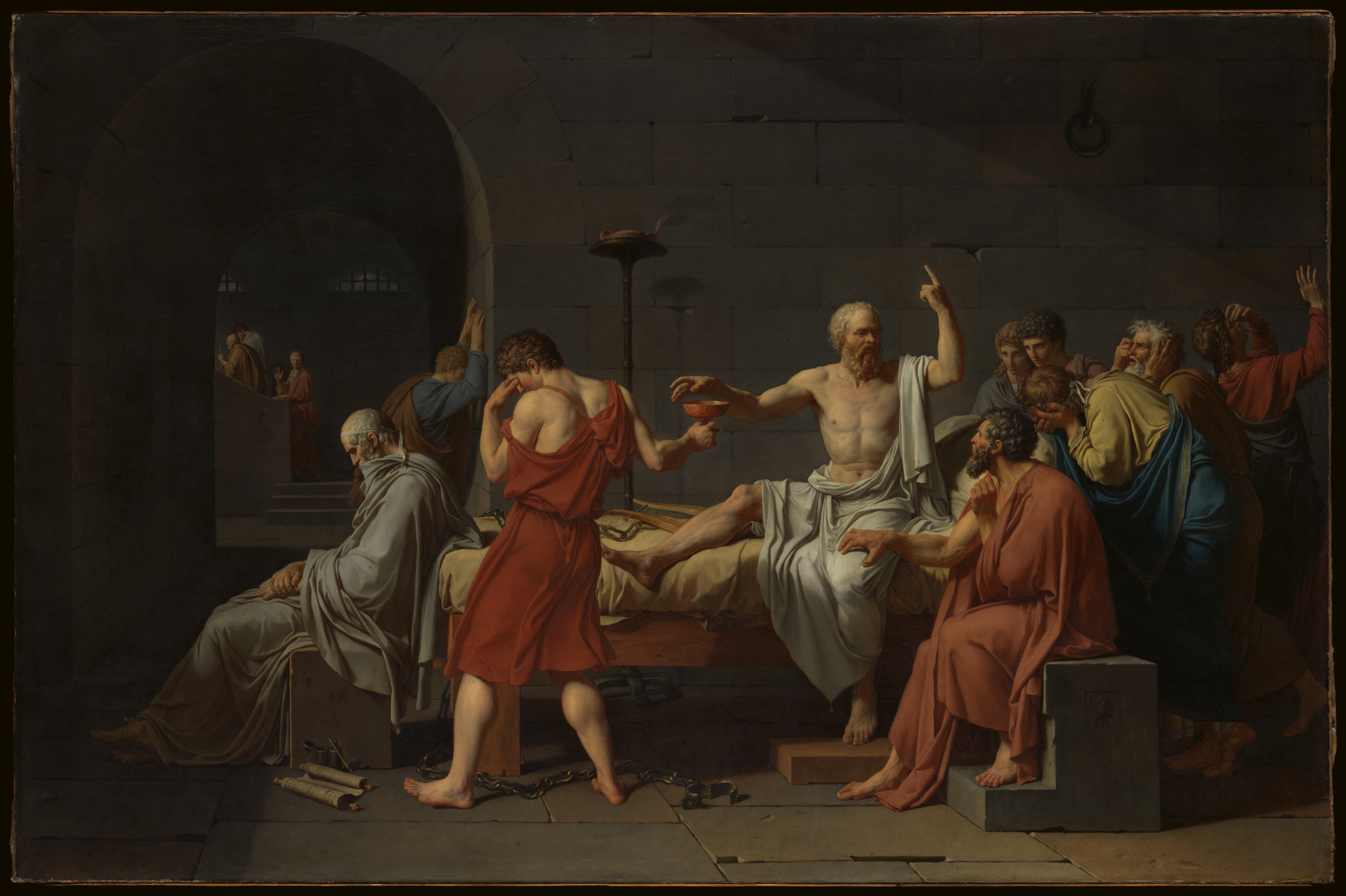
Jacques-Louis David gives Socrates the body language of a teacher still in command. The cup of hemlock sits at the edge of the scene, but the composition is ruled by line, gesture, and conviction. It is one of The Met's strongest entries into Neoclassicism: antique story, civic virtue, and severe clarity gathered into a single moral image.
5. Sargent, Madame X
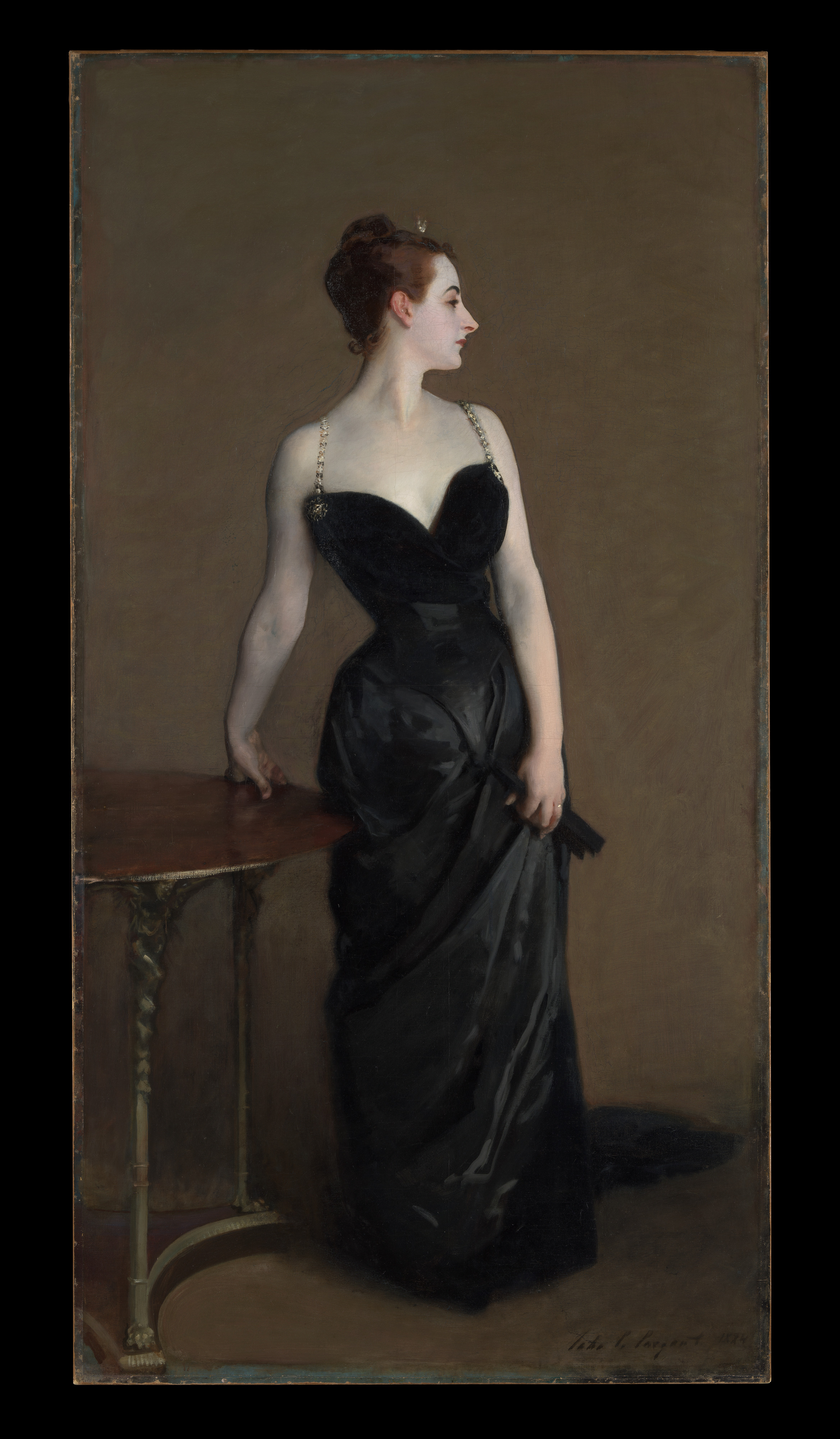
John Singer Sargent paints Virginie Amélie Avegno Gautreau as an image of poise that almost cuts the room. The portrait's scandal came from pose, exposure, and Parisian social codes, but its lasting force sits in the design: white skin against black satin, averted face, taut profile, and a body held between display and distance.
6. Degas, The Dance Class
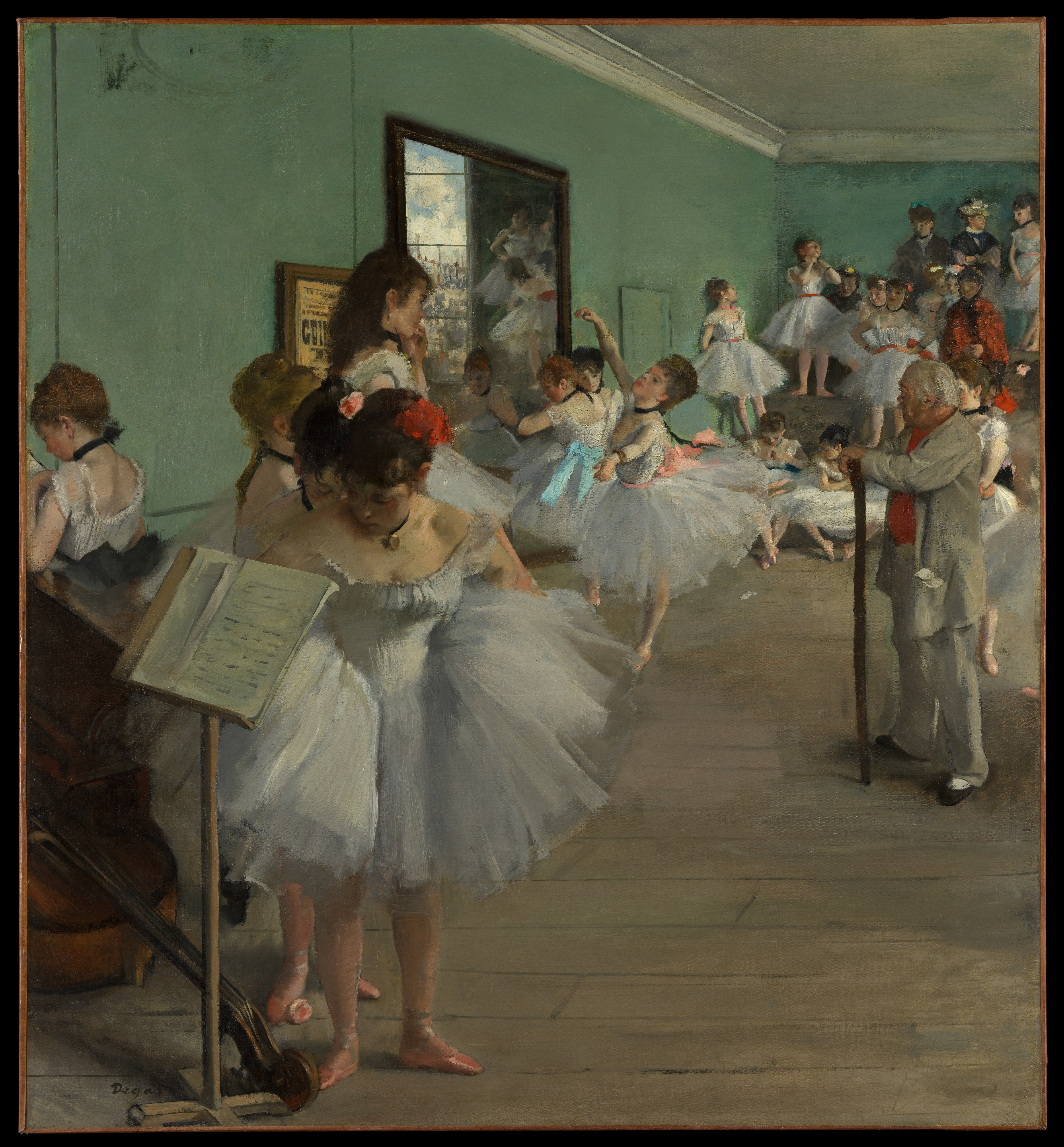
Edgar Degas places ballet away from the polished stage. The bodies bend, pause, adjust, and drift across an off-center room. The painting belongs to Impressionism, but it is not casual: Degas builds movement through cropping, diagonals, repetition, and the social discipline behind theatrical grace.
7. Hokusai, The Great Wave off Kanagawa
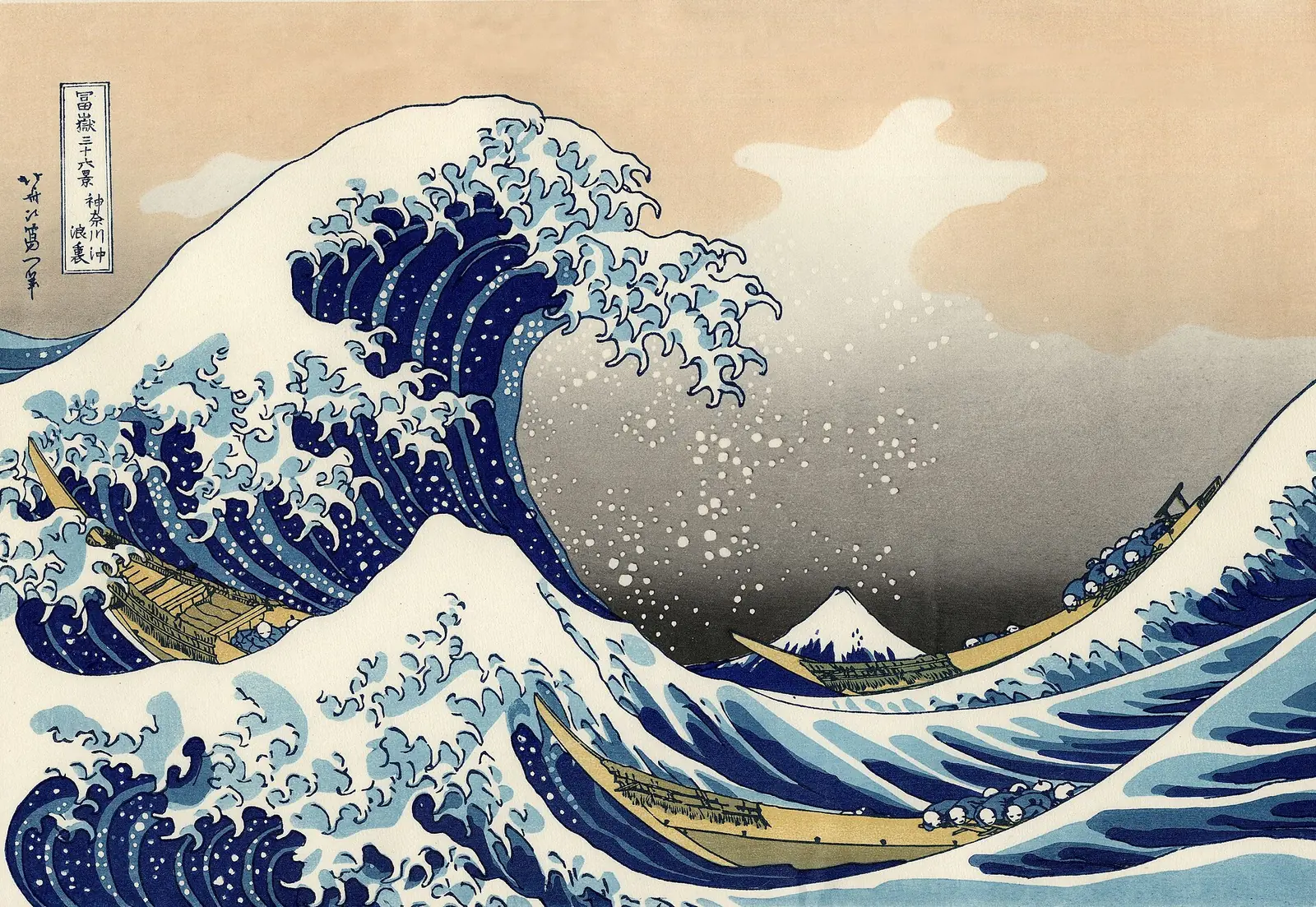
Katsushika Hokusai made one of the world's most recognizable images by holding together danger and design. The wave curls like a claw above the boats, while Mount Fuji sits small and still under the crest. As an ukiyo-e print, it also reminds visitors that serial image-making, paper, color, and circulation can shape global visual memory as powerfully as a unique painting.
8. Stieglitz, The Steerage
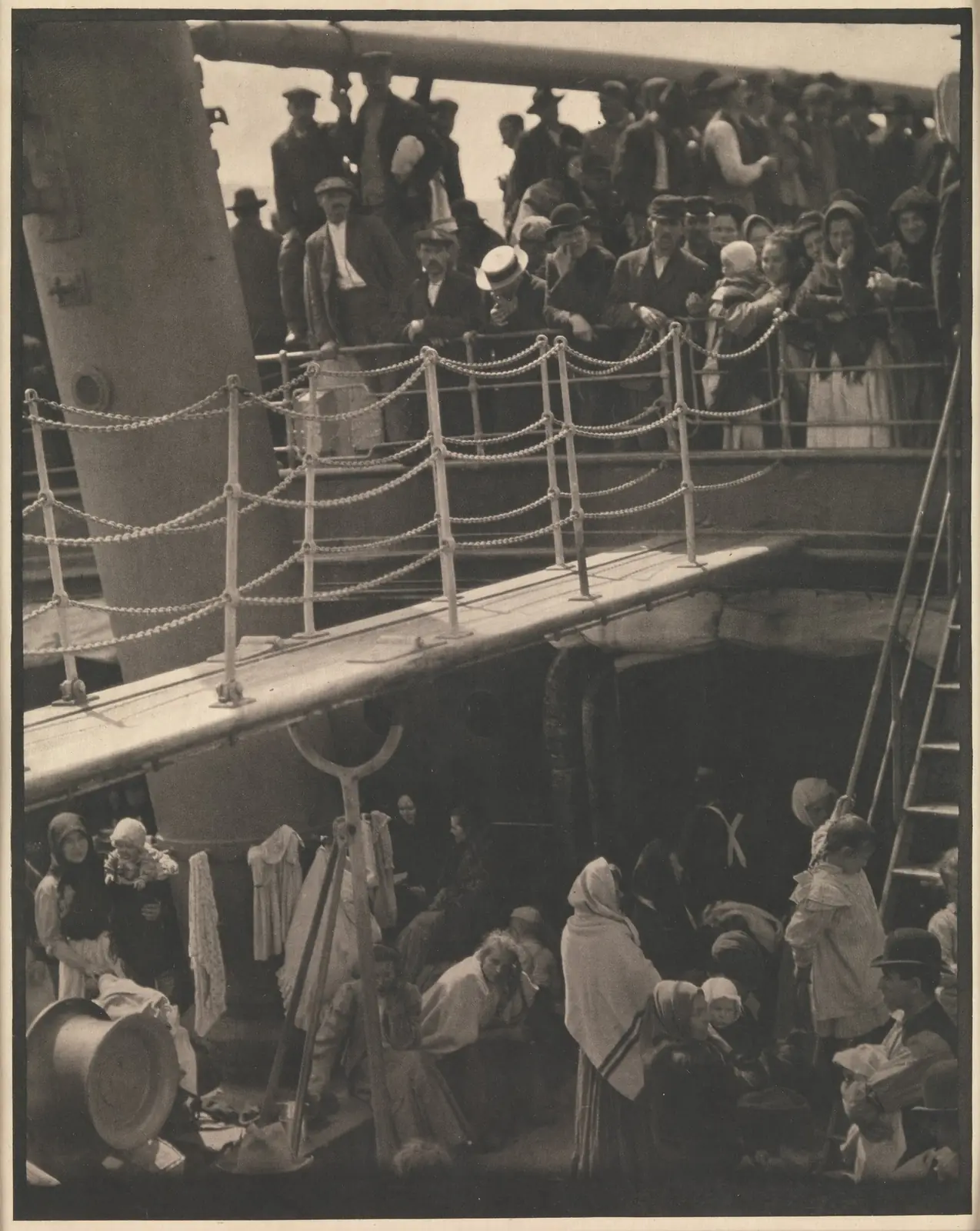
Alfred Stieglitz does not need a painted allegory to show division. The photograph's power comes from the ship itself: upper and lower decks, diagonal gangway, round hats, railings, and crowded bodies. The Steerage belongs in this route because it shows photography becoming a modern art through geometry, social observation, and the pressure of looking.
9. Cole, The Oxbow
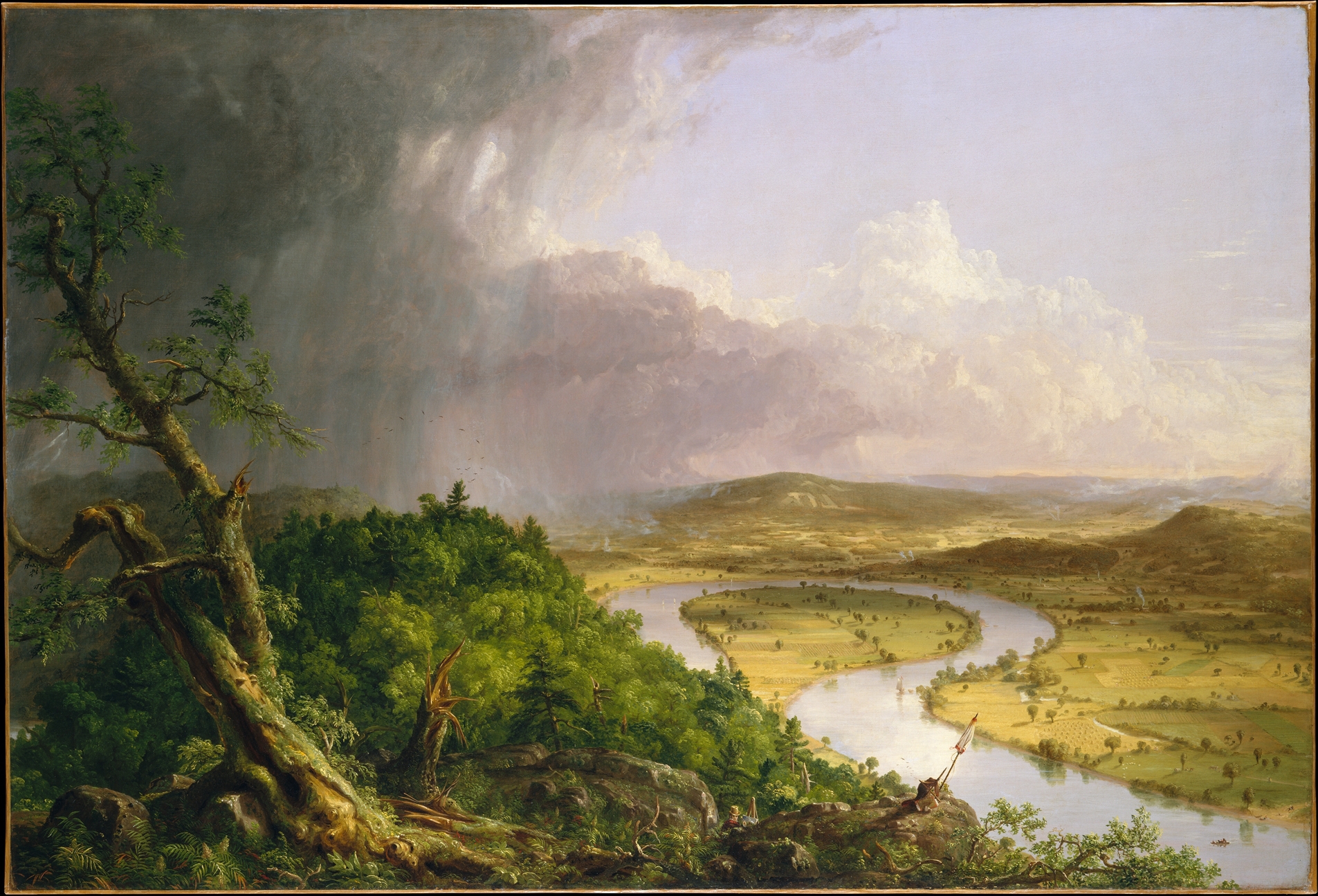
Thomas Cole turns a bend in the Connecticut River into a debate about American land. One side is stormy and wild; the other is bright, mapped, and cultivated. The painter's tiny self-portrait keeps the image from becoming pure scenery. It is a Romantic landscape about ownership, expansion, and the cost of looking from above.
10. Cézanne, The Card Players
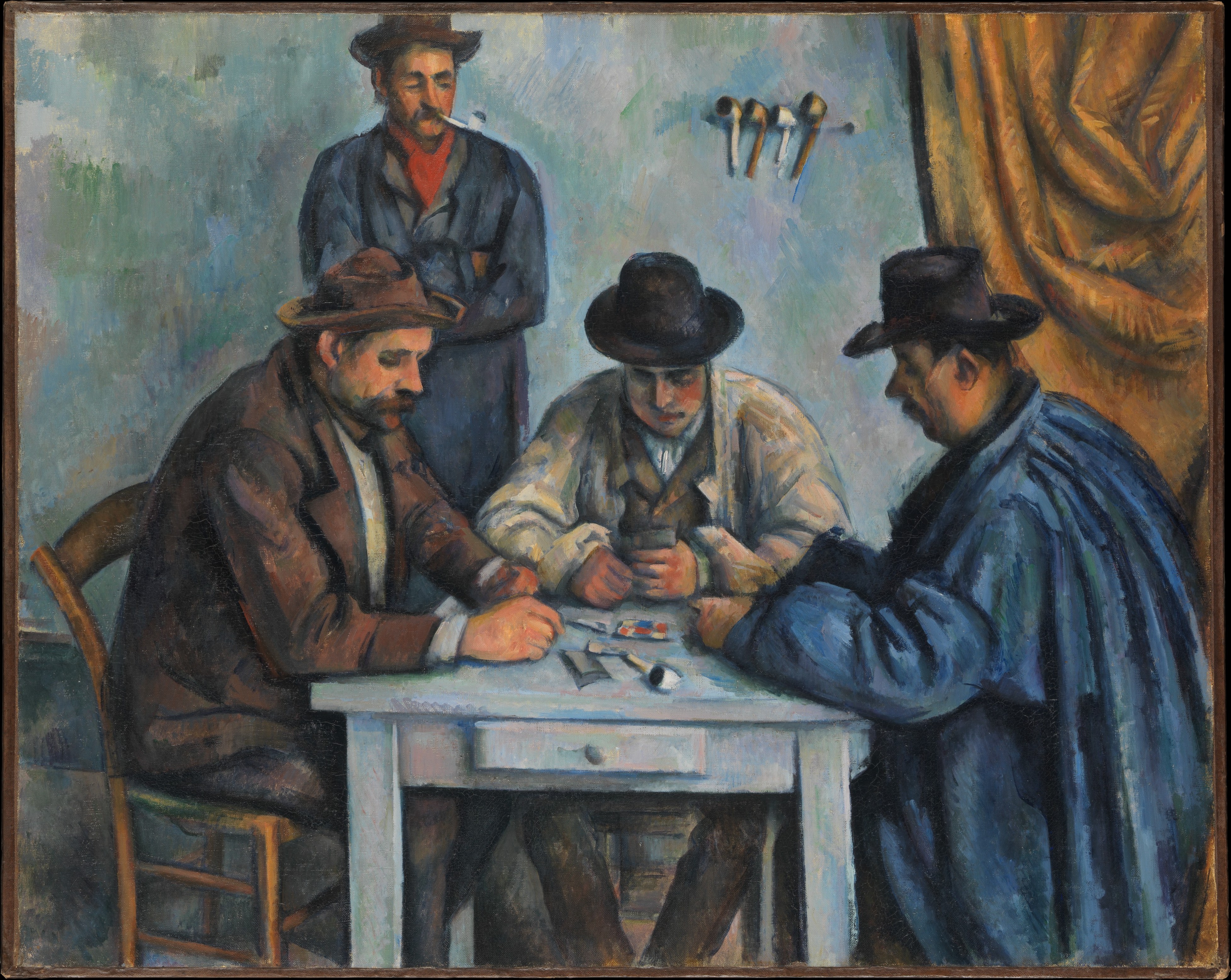
Paul Cézanne removes anecdote until the figures feel built from color and pressure. The players sit close, but the scene is emotionally sealed. After the spectacle of Leutze or the drama of David, this painting slows the route down. It shows Post-Impressionism turning everyday life into structure, mass, and sustained looking.
Two final stops beyond the painting route
Leave room for the Temple of Dendur. It is not a painting and does not need to fit the ten-work sequence: the sandstone temple, completed under Roman rule in Egypt, changes the scale of the visit from framed image to architectural environment. In Gallery 131, water, glass, light, relief carving, and the temple's own rooms make the museum feel less like a chain of objects and more like a reconstructed encounter.
A last sculptural counterpoint is Antonio Canova's Perseus with the Head of Medusa. Canova's marble stands in dialogue with antiquity, especially the Apollo Belvedere, while the hero's gaze turns toward the severed head he holds. After Bruegel's fields, Rembrandt's shadow, and Cézanne's stillness, Perseus adds a polished Neoclassical body at the edge of the route.
This route does not replace The Met. It gives you a line of entry: each stop can become a door into an artist, a movement, or a way of looking that continues elsewhere on Explainary.
Sources
- The Metropolitan Museum of Art: Bruegel, The Harvesters
- The Metropolitan Museum of Art: Rembrandt, Aristotle with a Bust of Homer
- The Metropolitan Museum of Art: Leutze, Washington Crossing the Delaware
- The Metropolitan Museum of Art: David, The Death of Socrates
- The Metropolitan Museum of Art: Sargent, Madame X
- The Metropolitan Museum of Art: Degas, The Dance Class
- The Metropolitan Museum of Art: Hokusai, The Great Wave
- The Metropolitan Museum of Art: Stieglitz, The Steerage
- The Metropolitan Museum of Art: Cole, The Oxbow
- The Metropolitan Museum of Art: Cézanne, The Card Players
- The Metropolitan Museum of Art: The Temple of Dendur
- The Metropolitan Museum of Art: Canova, Perseus with the Head of Medusa
FAQ
Start with Bruegel's The Harvesters, Rembrandt's Aristotle with a Bust of Homer, Leutze's Washington Crossing the Delaware, David's The Death of Socrates, Sargent's Madame X, Degas's The Dance Class, Hokusai's Great Wave, Stieglitz's The Steerage, Cole's The Oxbow, and Cézanne's Card Players.
Yes. Each of the ten stops links to a dedicated Explainary artwork page, so the route can work before a visit, during a focused museum stop, or afterward as a comparison path across artists and movements.
Yes. The Temple of Dendur is outside this ten-work painting and photography route, but it is one of The Met's defining architectural encounters and belongs near the end of a visit with Canova's Perseus with the Head of Medusa.